How Heat Treatment Eradicates Bed Bugs: Key Equipment and Inspection Techniques
Heat treatment remains a reliable solution for eradicating bed bugs. By raising temperatures beyond 120°F, it addresses all developmental stages, including eggs. Critical equipment, such as thermal imaging cameras and fans, plays a vital role in achieving effective results. However, detailed inspections are necessary to detect infestations and typical hiding spots. Recognizing these elements is crucial to a effective treatment. Which targeted methods can improve the success of this treatment?
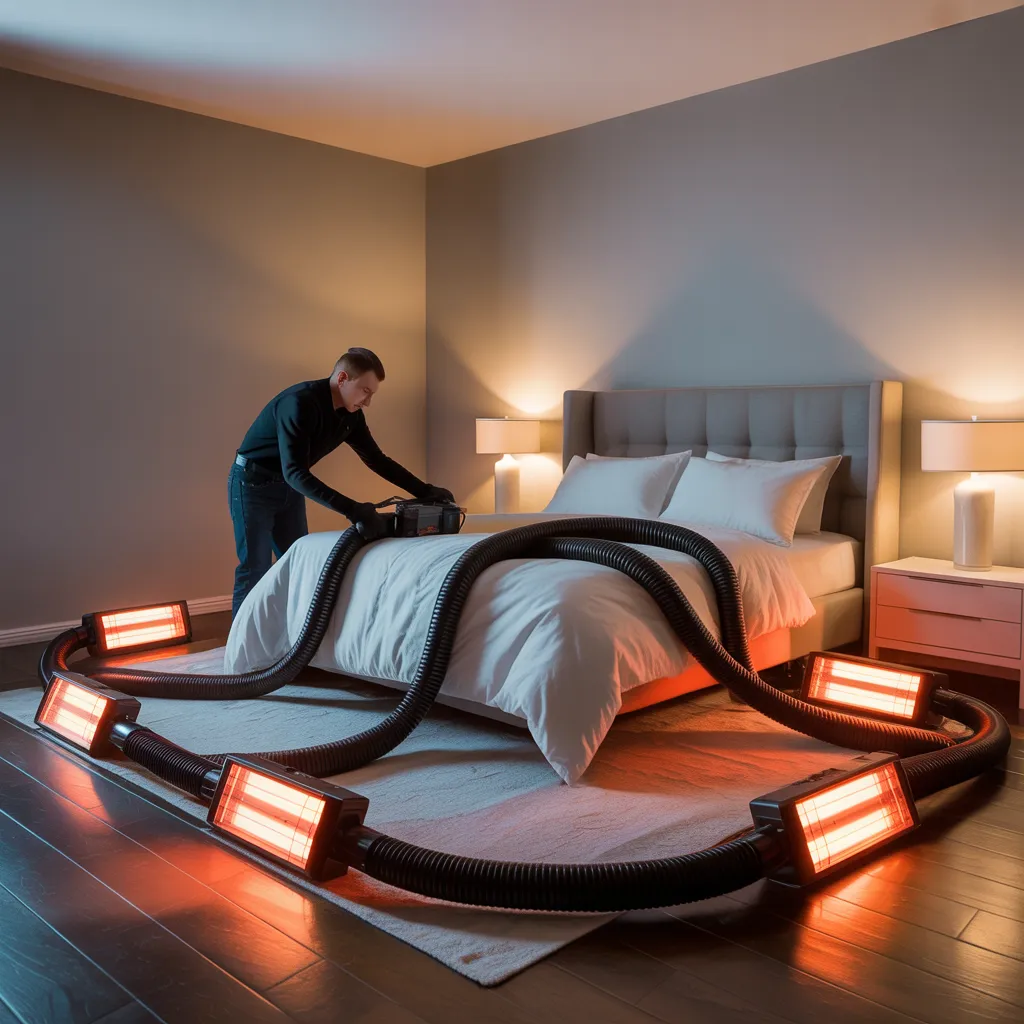
Why Heat Treatment Is the Best Solution for Bed Bug Elimination
Heat treatment has become one of the most effective methods for eliminating bed bugs. This method employs extreme heat, typically between 120°F and 140°F, to eliminate every life stage of these insects, including eggs. As opposed to chemical solutions, which may require multiple applications and can leave behind residues, heat treatment works its way into tight spaces, crevices, and furnishings, ensuring thorough coverage.
Moreover, this technique is eco-friendly, as it prevents the use of hazardous pesticides, making it a safer choice for residential and commercial properties. The efficiency of heat treatment is remarkable; research indicates that it can destroy bed bugs within just minutes of contact with lethal temperatures. Additionally, heat treatment generally requires less time than conventional treatments, making possible faster elimination of infestations. Considering these benefits, heat treatment proves to be a reliable solution for those grappling with bed bug challenges.
What You Need for Successful Heat Treatment
Successful heat treatment for bed bug eradication requires careful preparation and the right equipment. Key equipment includes high-capacity heaters that can achieve temperatures exceeding 120°F, which is critical for eliminating bed bugs across all life stages. Thermal imaging cameras can help identify thermal inconsistencies, ensuring all areas are adequately heated. In addition, fans play a crucial role in effectively moving hot air, supporting even temperature distribution throughout the entire treated space.
Protective equipment, including gloves and masks, is essential for protection during the procedure. Precise heat monitoring equipment, like temperature sensors, enable careful measurement of temperature levels in various locations. A dependable power source is essential, as the heat treatment process may require extended periods of operation. Lastly, proper insulation of the treatment areas assists in maintaining elevated temperatures for longer durations, enhancing effectiveness. With the right preparation and equipment, the chances of complete bed bug removal are greatly enhanced.
Finding Bed Bug Hiding Places in Your Home
In what locations could bed bugs be hiding in a home? These insects are well known for their capacity to hide themselves in numerous places. Typical hiding places include the seams and creases of mattresses and box springs, where they are able to feed on resting residents. Bed frames and headboards likewise act as suitable refuges, commonly sheltering eggs and nymphs within their crevices.
Beyond bedding, bed bugs explore article may inhabit furniture, particularly upholstered items such as settees and seating. They can also crawl into crevices within baseboards, walls, or floors. Disorganized spaces, including nightstands and closets, offer additional hiding spots for these pests to flourish.
Regular inspections of these locations can help identify infestations early. Residents should remain alert, carefully inspecting any areas of concern and using a flashlight to enhance their view. Knowing the common hiding places of bed bugs is critical for successful control.
Executing Heat Treatment: Step-by-Step Guide
A systematic approach to heat treatment can effectively eradicate bed bugs from infested spaces. The process begins with a thorough inspection to identify the extent of the infestation and the specific areas requiring treatment. Following this, all objects in the treated space should be cleared or shielded to avoid heat escape. The ambient temperature needs to be elevated to at least 120°F (49°C) with professional-grade heating equipment, guaranteeing uniform heat circulation across the entire area.
Temperature monitoring devices should be positioned to measure heat levels, as maintaining consistent temperatures is critical for success. Once the target temperature is reached and maintained for at least 90 minutes, the procedure can be considered complete. Afterward, the space should be cooled down gradually, and a second inspection conducted to confirm the elimination of bed bugs. Lastly, all leftover belongings should be addressed or removed to avoid future infestations, confirming a complete and effective bed bug removal process.
Effective Tips to Maintain a Bed Bug-Free Space
Sustaining a bed bug-free home calls for proactive strategies and ongoing vigilance. Consistent copyrightinations of rest areas, including mattresses, box springs, and furnishings, are vital for spotting the first signs of a bed bug presence. Keeping personal belongings off the floor and using protective covers on mattresses can greatly reduce the risk of infestation.
Reducing clutter in spaces eliminates areas where these pests can hide, while frequent laundering of bedding and clothing in hot water helps eliminate existing eggs and insects. Regular vacuuming is essential, making sure the vacuum bag is discarded right away to stop the spread of reinfestation.
Guests ought to check lodging accommodations and store luggage away from the floor. Additionally, informing every member of the household about spotting bed bugs and their warning signs strengthens collective knowledge and rapid response. By following these practices consistently, individuals can successfully preserve a bed bug-free environment and minimize the chances of an infestation occurring.
Questions We Often Receive
How Long Does It Take for Heat Treatment to Eradicate Bed Bugs?
Heat treatment usually takes between six to eight hours to completely eliminate bed bugs. The length of treatment may differ according to the size of the infested area and the equipment used throughout the treatment procedure.
Are There Potential Side Effects of Heat Treatment on Personal Belongings?
Thermal treatment has the potential to harm delicate belongings, including electronics, plastics, and artwork, because of intense heat exposure. Nevertheless, most belongings, notably fabrics and hard materials, generally endure the process without notable harm or permanent effects.
Can I Handle Heat Treatment Myself or Should I Hire a Professional?
Homeowners can choose to conduct heat treatment on their own or bring in a professional. DIY methods may lack precision, while professional services provide thoroughness and safety. Considering the risks and outcomes helps determine the best approach for getting rid of bed bugs.
At What Temperature Are Bed Bugs Killed Effectively?
In order to effectively eradicate bed bugs, heat levels need to reach no less than 118°F (48°C) for a sustained period. Elevated heat levels, close to 130°F (54°C), are capable of delivering more rapid results, ensuring complete eradication of all life stages.
How Often Should I Repeat Heat Treatment for Best Results?
Scheduling repeated heat treatments every 2 to 4 weeks is suggested for best results. This approach helps confirm any newly hatched bed bugs are eradicated, avoiding re-infestation and achieving complete pest elimination.